Business Support · China
2026 China Factory Audit: 27 Checks Before Mass Production
Learn the 27 checks for a thorough factory audit in China before mass production. Ensure legal, operational, and quality compliance with this guide.
· 5 min read
Core Steps to Verify a Chinese Supplier
Having a sample that meets your standards does not mean the supplier is ready for mass production. You need to verify three key areas: company registration, on-site factory audit, and pre-shipment inspection (PSI). Here’s how to do it:
- Verify the company's registration and legal status.
- Conduct an on-site factory audit to check production capabilities.
- Perform a pre-shipment inspection to ensure the batch meets quality standards.
Company Registration Verification
Before proceeding, you must verify the company's registration and legal status. Follow these steps:
- Check the business license and cross-reference it with the registration records. Use Quality Inspection's company verification tool.
- Verify the Unified Social Credit Code by comparing the business license, registration records, and contract.
- Confirm the current operating status and business scope.
- Ensure the registered address matches the actual location.
- Verify the legal representative and the contract party.
- Check the payment account details to ensure they match the contract party.
On-Site Factory Audit
Once the company registration is verified, proceed with the on-site factory audit. Here’s what to do:
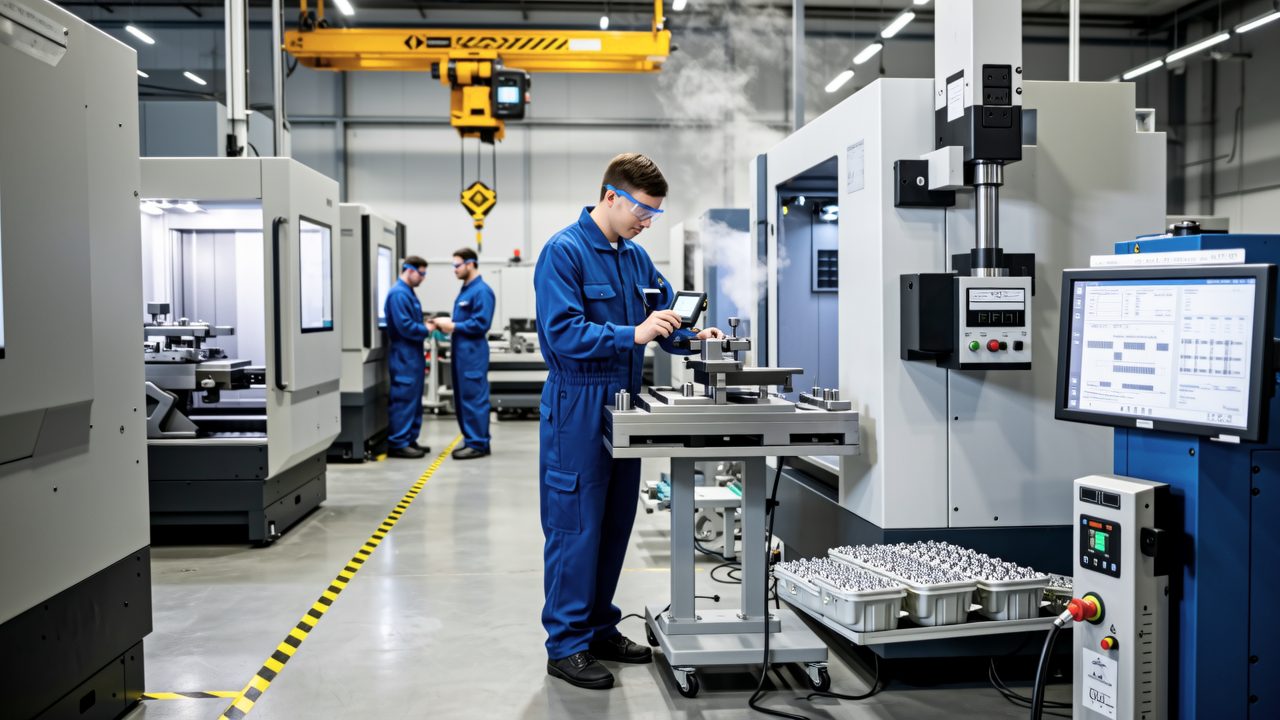
- Walk through the entire production line to see it in operation. If the factory only shows a sample area, it may not be capable of mass production.
- Inspect the equipment to ensure it is in working condition. Take photos as evidence.
- Count the number of workers and compare it with the production plan. Ensure the workforce can support the production schedule.
- Check the current production schedule and compare it with the factory’s claims.
- Assess the monthly capacity by cross-referencing the production line, workforce, and shifts.
- Identify any outsourced or subcontracted processes and verify their impact on your order.
- Review the incoming material inspection, in-process inspection, and final inspection records. Ensure they are consistent and up-to-date.
- Inspect the non-conforming product isolation area and review the complaint and corrective action records.
- Check the calibration of measuring tools and the consistency of the reference samples.
- Verify social, fire, and environmental compliance. Check the storage and maintenance of buyer-owned molds.
Pre-Shipment Inspection (PSI)
After the on-site audit, conduct a pre-shipment inspection to ensure the batch meets your quality standards. Here’s how to do it:
- Inspect the finished products according to the agreed-upon criteria.
- Review the packaging and labeling to ensure it meets your specifications.
- Check for any defects or inconsistencies in the batch.
- Document the inspection results and use them to make a final decision on whether to release the payment or request rework.
Choosing the Right Audit Type
Select the appropriate audit type based on your needs. There are three main types:
- Notified Audit: The supplier is informed in advance, allowing them to prepare. This is more convenient but may allow for some preparation and staging.
- Semi-Notified Audit: The supplier is given a window of time during which the audit will occur, reducing the chance of specific preparations.
- Unannounced Audit: The supplier is not informed, providing the most accurate view of the factory’s day-to-day operations. However, ensure you have the right to enter the premises.
Audit Report and Decision Making
Based on the audit report, make a decision on whether to proceed with the order. Here are the possible outcomes:
- Continue: If the factory meets all the criteria, proceed with the order but include a pre-shipment inspection.
- Conditional Continue: If there are minor issues, list the required corrections and re-inspect after they are addressed.
- Stop Order: If there are significant issues, stop the order and do not rely on verbal promises to resolve them.
Cost and Timeline Considerations
When comparing audit quotes, ensure you understand the cost structure. There are two main types of quotes:
- Per Auditor Day: This includes the auditor’s daily rate and may include travel and report costs. Compare the total project cost, not just the daily rate.
- Full Project Cost: This includes travel, on-site inspection, reporting, and follow-up. Ensure all costs are included and compare the total project cost.
For detailed pricing, refer to our factory audit and pre-shipment inspection prices.
What it looks like
Frequently asked
What if the company registration and the contract party do not match?
Stop the payment and do not rely on verbal explanations. Ensure the contract party and payment account details match.
How do I prevent staged visits during a remote audit?
Require a continuous live stream of the entire production line, ask them to open the current work order, and show the fire exit. If any of these cannot be done, note the gaps in the report.
What should I do if the audit report is not satisfactory?
List the required corrections and re-inspect after they are addressed. If the issues are significant, stop the order.
How do I choose the right audit type?
Select a notified audit if you need the supplier to prepare, a semi-notified audit to reduce specific preparations, or an unannounced audit if you suspect staging.
What should I look for in a pre-shipment inspection?
Inspect the finished products, packaging, and labeling. Document any defects and use the results to decide whether to release the payment or request rework.
On the ground in China
Want this handled by a person, not a browser tab?
A personal host meets you at arrivals, sets up payments and transport, and walks you through markets, factories or hospitals — transparent per-day pricing, itemized in writing before any payment.
About this guide
Written and maintained by the China Unboxed team from Shenzhen. We keep guides current and general on purpose — always verify prices and policies against official sources before booking.
Tell us where you are going and what is getting in your way, and a person in Shenzhen will write a plan for your trip.